Author Archives: Damien

Tioman

This slideshow requires JavaScript.

Pulau Tioman, or Tioman Island, is a slice of beachy perfection located 30 kms off the east coast of Malaysia. Almost entirely forested with just a handful of beaches scattered along the coastline, Tioman is remarkably free of mass tourism. After extensive research into island locations within a day or so of Singapore, it was our chosen destination to warm up after three weeks in wintery Scandinavia and it exceeded our highest expectations for tranquility, isolation and relaxation. In short it’s an absolute gem that somehow remains off the mainstream radar, and I pray that continues to be the case for many years to come.

Its quiet profile is all the more remarkable because this island has form. In 1958 it was the location for Bali H’ai in the Hollywood movie South Pacific, and in the 1970s Time Magazine named it one the world’s most beautiful islands. You might think that would lead to the tourist hordes arriving en masse in the following decades, like the real Bali or Phuket. But no, although it’s obviously popular with weekending KL’ers and Singaporeans the tendency to over-development has been resisted well by the islanders.

There are half a dozen villages on the west coast of Tioman that are regularly serviced by the mainland ferry, and our research said that the northernmost village of Salang was the pick of the crop. And on Salang one accommodation place was supposedly the pick of the bunch: Salang Sayang. After five nights there we can say with certainty that both choices are correct, and staying there was the best Asian island holiday I’ve had to date. Salang is a place where monitor lizards well over a metre long cruise languidly down the stream that runs through the village; where monkeys rummage through your balcony rubbish bin when you’re not there; where at the height of the day during our time there perhaps only two or three dozen people were on the beach. And do you like coral? Well at low tide you can simply walk out and gaze at it at your feet.

We were content to just lay on the beach most of the time and read, in between extended soaks in the bath-like water which is as clear as glass on a windless day. However if you’re energetic there is good snorkelling at several sites along the beach, surf skis and canoes can be hired for paddling and good diving is to be found both near the beach and at adjacent islands. Food is a little hit and miss on Salang and the variety is not great, but several places have nightly seafood barbeques which rarely fail to hit the mark. One day I was forced to head to the administrative centre of Tekek, which is home to the local airport and the island’s only ATM (which was why I went). There are no roads between Salang and the other villages so that required a short taxi boat ride, and my brief time in Tekek reinforced just how good Salang is as an idyllic escape.

Accommodation is best defined as rustic: we opted for the budget option of a simple shack on the hillside with balcony overlooking the beach, cold-water shower only, scoop flush toilet (it’s been a while since I’ve seen one of those) and just a fan for cooling. But it was very comfortable and well-built, easily withstanding the occasional tropical downpour that punctuated most days. And with a fine view from the balcony and the beach just a short stroll away, we could not ask for more.

It whetted our appetite for some serious beach-bashing in Thailand, which will include our first visit to truly famous places such as Ko Phi Phi. But Tioman has firmly secured a place in my heart as the perfect island getaway. It takes about two days to get there from Sydney (via Singapore or KL), and the same again to get home. Not as simple as Bali or Phuket, it’s true, but totally worth the effort to avoid the crowds and enjoy absolute tranquility.
Categories: travel | 1 Comment

Interregnum

… and we’re back. Well, almost.

The last two weeks have been blog-free for a number of reasons. Firstly because after leaving Europe we decided to head to a Malaysian island to warm up after so long in the chill. Where we were on Pulau Tioman was largely internet-free so we didn’t get the chance to comment on that wonderful place, but will soon.

Secondly, we returned to Sydney for five days before resuming our trek around the world. The return was primarily due to how our flights worked out, but it was a great opportunity to catch up with friends and family one last time, do some administrative chores that still had to be done, and dump all our winter gear that won’t be needed for the endless summer to come.

We’re now sitting at Sydney airport, sipping a fine Alsace white and letting the feeling sink in: we’re finally under way for good this time!

Categories: travel | Leave a comment

The Vasa

This slideshow requires JavaScript.

Stockholm loves a museum. Walking around the central suburbs of the city, it seems like you can’t go more than a block without passing a stately building housing a museet of some kind. There is even a free tourist map detailing Stockholm’s museums that lists no less than 84 options such as the Postal Museum, the Toy Museum, Museum of Spirits, The Tobacco and Match Museum and something called Tom Tits Experiment (I kid you not!).

While we both appreciate a good museum we are not huge museum-goers, and after visiting a number of them in Helsinki, Tallinn and Oslo we had little desire at the end of this part of our journey to see another one. Just like temple fatigue can set in while travelling around Asia, museum mortis is certainly a risk in Europe (and don’t get me started about churches). However several people recommended the Vasa Museum as a Stockholm highlight and it sounded very interesting, so we checked it out today. I can testify that it’s well worth the hype, and now ranks as one of the best museum experiences I’ve ever had.

The dry facts of the Vasa are impressive enough, but when you first walk into the cavernous museum space and see the ship towering above you it’s quite breathtaking. Commissioned in 1625 as one of four new warships for the Swedish fleet – then at war with Poland and others – it was launched in 1628. But its maiden voyage lasted for just 20 minutes before the ship tipped over in a breeze and started taking water through its gun ports, which caused it to sink into the mud of Stockholm’s harbour. There it lay for 333 years until it was finally raised again and revealed to be in a remarkable state of preservation.

The Vasa Museum was purpose-built on the garden island of Djurgarden just a short stroll from the city centre, and its modern and sometimes interactive displays give a real sense of what life must have been like on board. We arrived just in time for one of the three daily English-language guided tours which in a rather entertaining way told the story of the ship, and also placed it in its historical context. We thought we would only be there for a fairly short time, but before we knew it three hours had passed and it was time to leave.

Taking 400 people about 2.5 years to build, the Vasa is 69 metres long and bloody tall when viewed from the keel – it’s simply enormous to behold. The level of detail is astonishing, even more so as it was built in a rush to have it added to the Swedish fleet as soon as possible so it could fight in the war against Poland. As someone with a passing interest in technology, the scale of this ship is magnificent when you consider it was designed and built almost four centuries ago. It’s state of preservation is phenomenal which allows a real appreciation of the craftsmanship involved. The Vasa’s sinking was due to a design flaw in that it was too narrow for its height, which meant the centre of gravity was too high for good stability. Its sister ship, Apple, was very similar but just one metre wider which made all the difference; it was in service for more than 30 years and became the most successful warship in the Swedish Navy of the time.

From a sea of museum choices, giving the Vasa a shot was one of the best things we could have done on our last full day in Stockholm. We’re ready to move on in our journey now, and Malaysia beckons loudly, but this was a highlight well worth remembering.

Categories: Scandinavia, Stockholm, Sweden, travel | Leave a comment

Norwegian hospitality

We’ve just spent three days with two wonderful, warm-hearted people near Oslo: Lillian and Ove. Thanks to Globalfreeloaders.com we were able to meet this great couple and enjoy superb Norwegian hospitality, giving us what will surely be one of the best memories of this leg of our adventures.

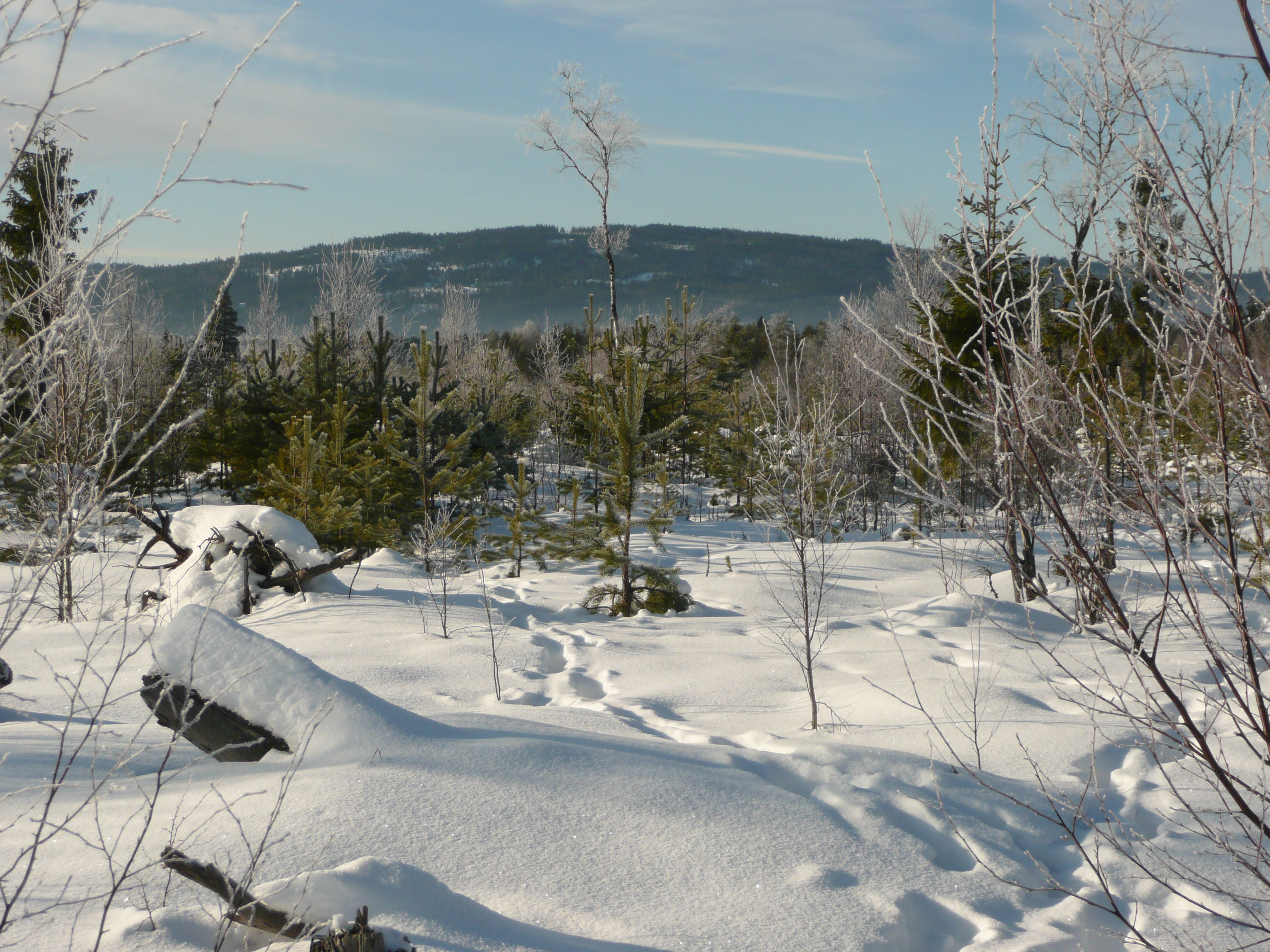
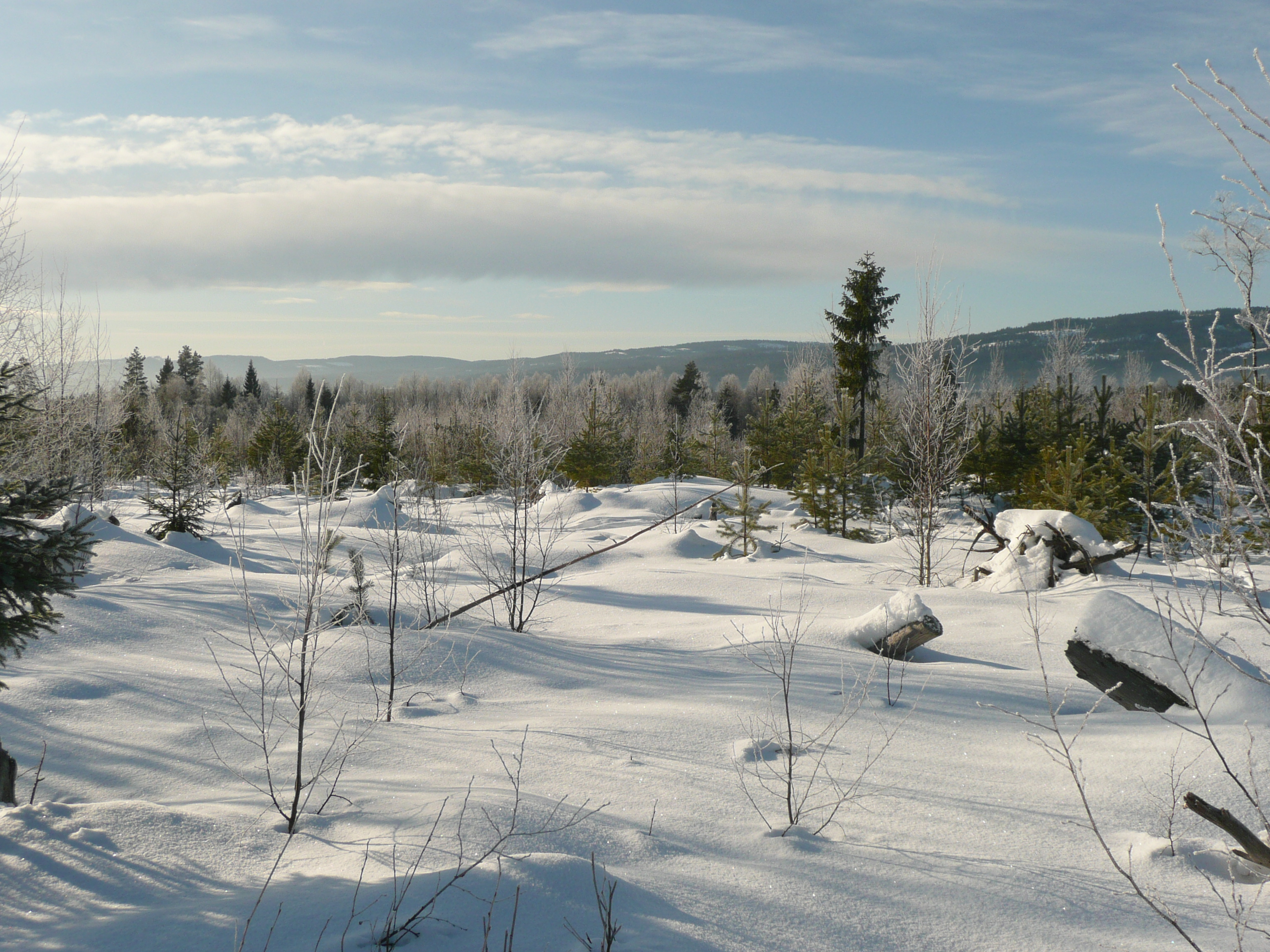
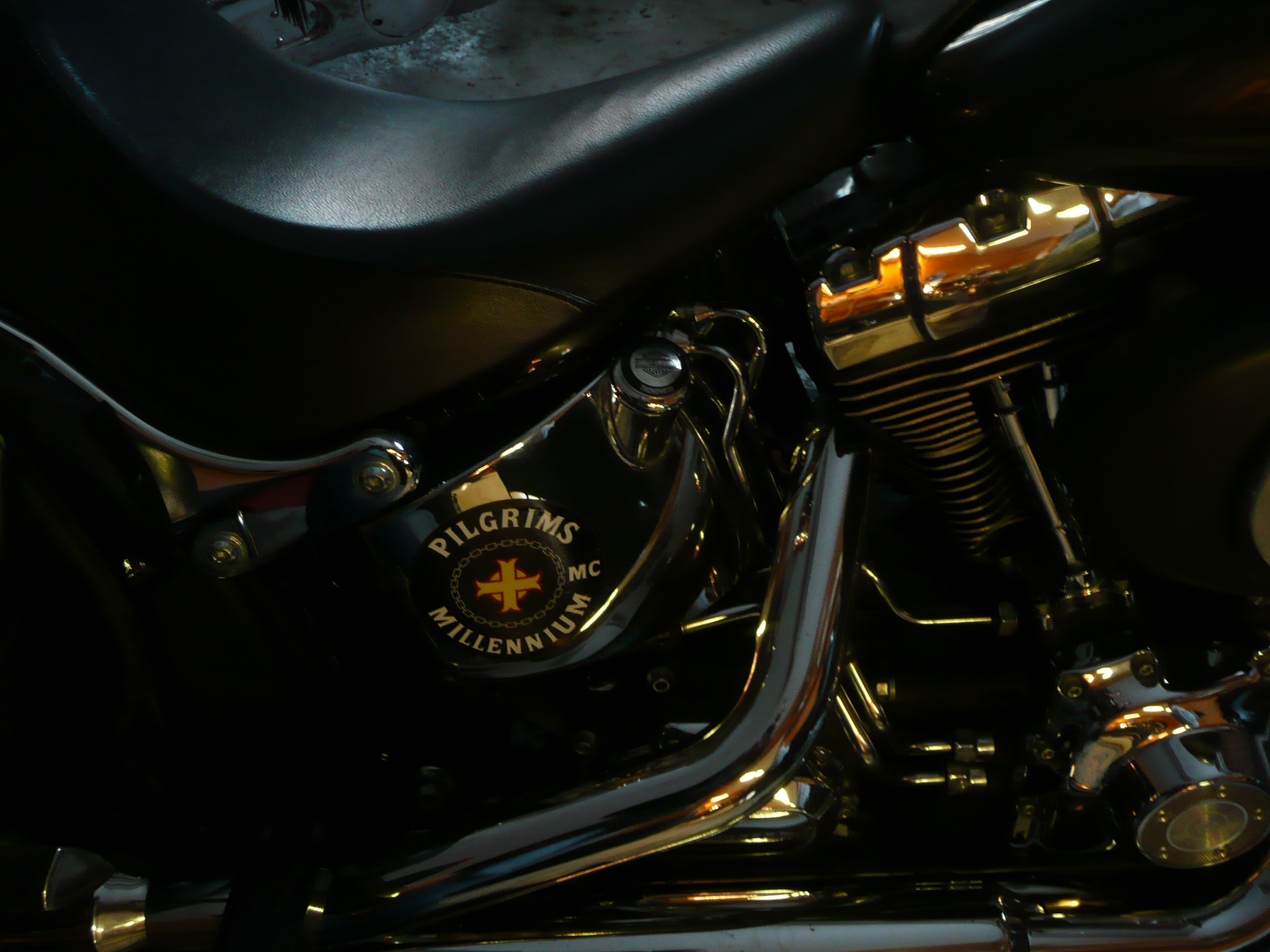
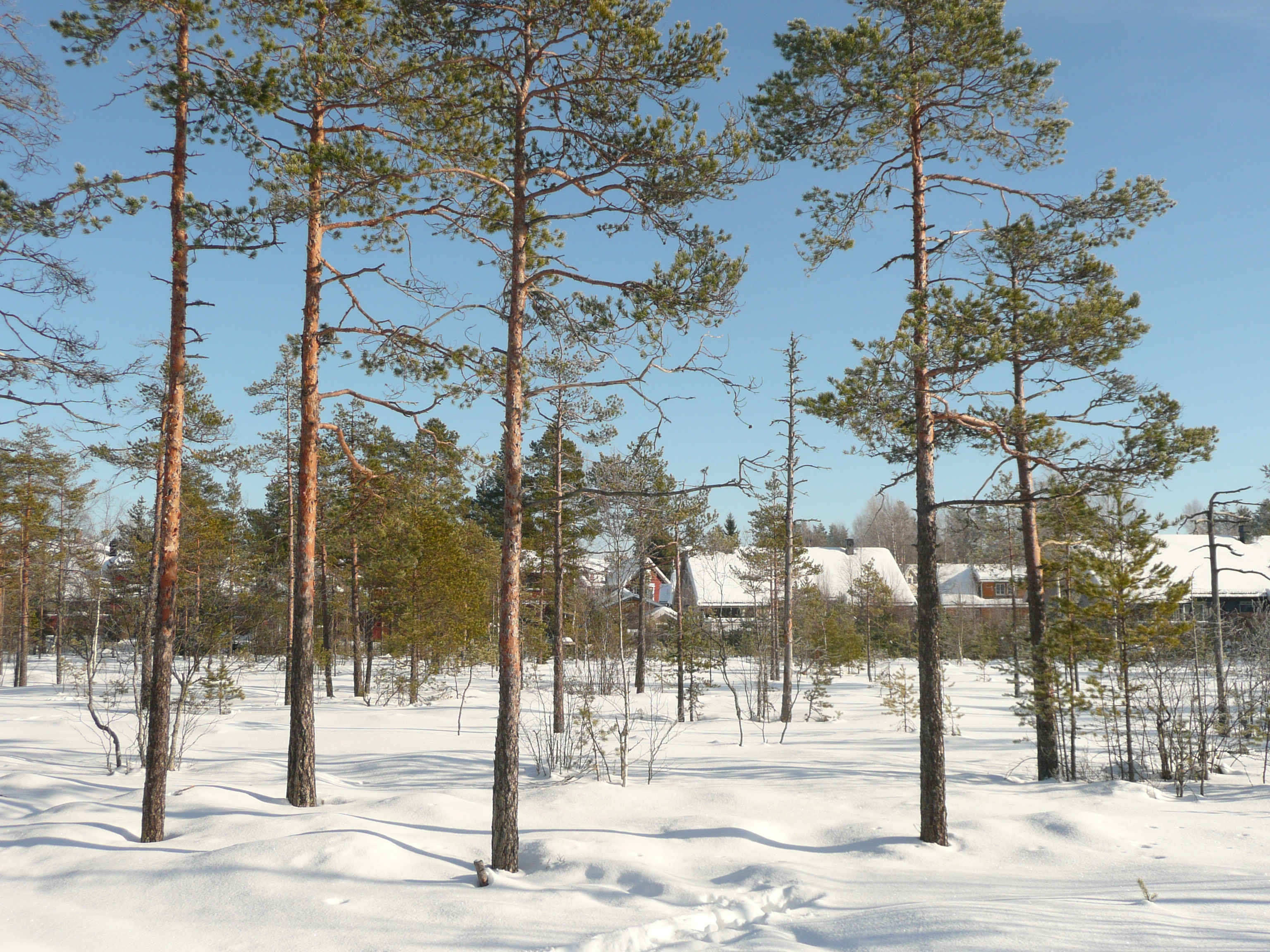
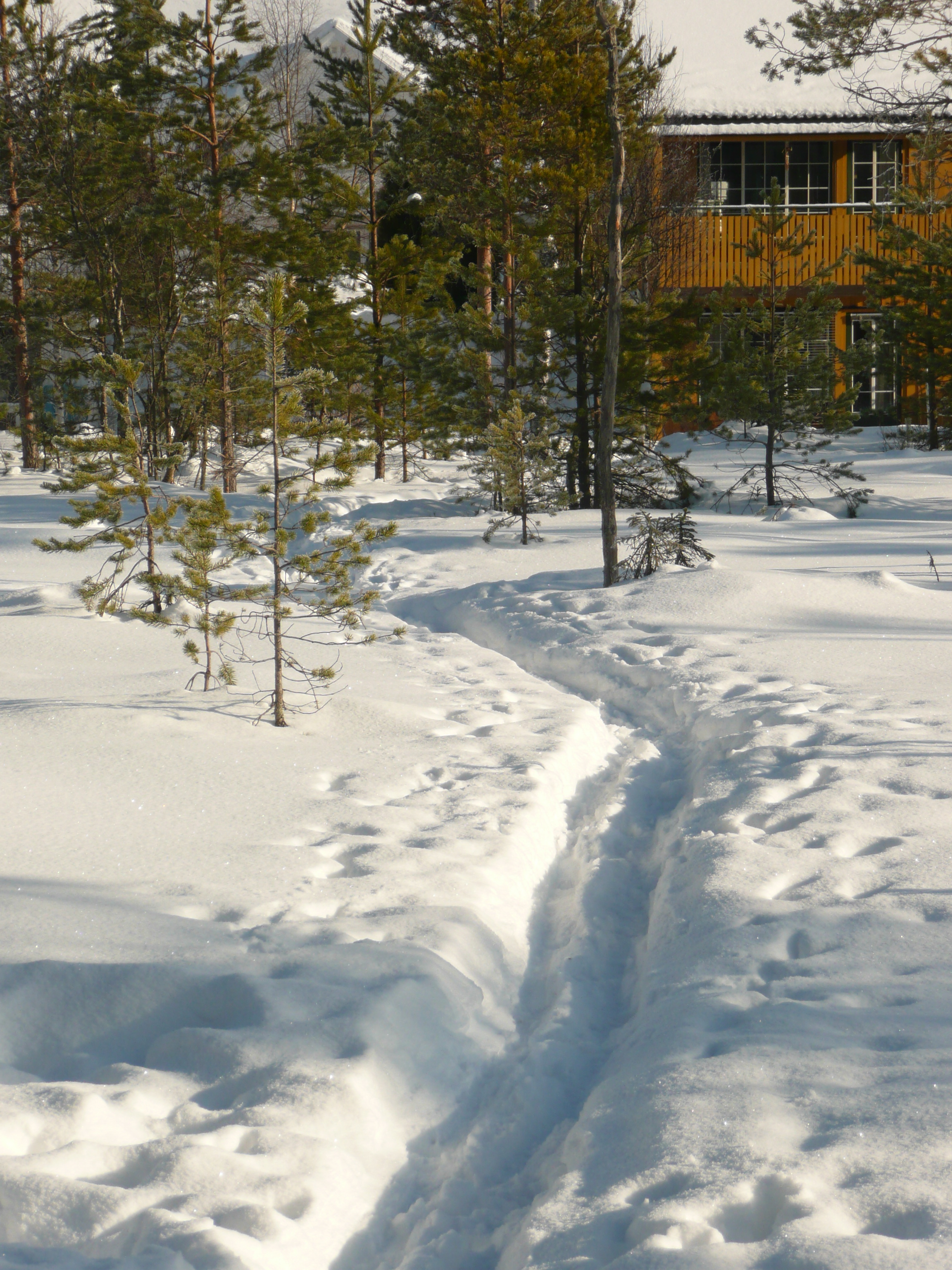
From the moment we found their house – which was a bit tricky walking around in the snow and darkness – we were welcomed as old friends, which is exactly what we have become in just three days. On our first full day there we went on a couple of guided walks around their home, located in a small village about 15 minutes drive from Oslo’s main airport. The countryside is spectacular in winter, and we were graced with perfect weather as you can see from the photos above. Ove is a senior member of a local motorcycle club, Pilgrims Millennium MC, and in the afternoon he took us to both of their clubhouses and showed us all of the Harleys in various states of winter rebuilding. He also took us to his workplace where he is a highly specialised crane operator, and showed us one of his steeds: the largest wheeled crane in Norway. Capable of lifting 500 tons, the crane itself weighs more than 100 tons and can extend 184 metres at full stretch – an amazing piece of machinery!

During the day we met several of their friends and family, who underlined just how generous a couple they are. Most telling is Alex and Noella, a young Spanish couple who stayed with Lillian and Ove for the first time several years ago when they came to Norway seeking work. Lillian and Ove helped them find work, then took them in again later for an extended time while they found somewhere to live. Now the young couple have their own place, and a young child, and the four are close friends. That night family and more friends arrived, and great fun was had well into the night with beer, locally made spirits such as aquevit and berry liqueur, and good cheer all round 🙂

One of the highlights was undoubtedly the food. Though we were prepared to buy and cook our own, Lillian insisted we share their meals and served us some luscious dishes such as fish and pasta stew, homemade pizza and my favourite: venison and pork stew with rice. Flavoured with pepper, cream and local chanterelle mushrooms that Lillian picked in the autumn and froze for use during winter, the stew was a triumph of rustic country cooking. We also had the chance to taste a number of Norwegian breakfast staples which we’d never have experienced otherwise: fiskpudding, a white sausage of fish akin to a roll of devon; caviar in a tube; cheese spread mixed with with shrimps; cheese spread mixed with ham; brown cheese, which was like processed cheddar mixed with peanut butter (yep, it’s an acquired taste); elk salami; a super-sweet caramel spread; and the national dish, tinned mackerel with tomato sauce, along with more familiar options such as cheddar cheese, mayonnaise, pate, bread, jam and milk.

We can’t say enough how thankful we are that we had the opportunity to meet and stay with Lillian and Ove. If we ever return to Norway we will certainly see them again, and if they are able to make it all the way to Australia we look forward to extending good old-fashioned Aussie hospitality their way. I wonder how they’ll go with Vegemite?

Categories: food, friends, Norway, Oslo, Scandinavia, travel | 2 Comments

Porvoo? Not in winter…

They can’t all be winners.

On paper, the medieval town of Porvoo has a lot going for it: second-oldest town in Finland, site of the 1809 conference with Czar Alexander I where the future of Finland for the next 50 years was decided, home of famous artists and writers, a picturesque wonder of beautifully coloured wooden buildings densely packed on the east bank of the Porvoonjoki river. It sounded like a worthy day trip from Helsinki, and was our first and only foray out of the capital within Finland.

Perhaps we shouldn’t have gone there after Tallinn. In summer it must be lovely, with crowds thronging the tight streets and the buildings shimmering brightly in the sun. Kristen liked it accurately to Berry in NSW: a pretty town trading on its history that has become a mecca for antiques, art, food and relaxation. B&Bs prosper around Porvoo in the warmer months, and it has a reputation as a top gourmet destination. In winter, it’s dead. The handful of people we saw on the streets of the Old Town had looks of either bemusement or bewilderment at our presence, and we quickly began to share their mirth and confusion as we trudged along.

With snow falling steadily and adding to the deep drifts piled up against the walls, we followed the suggested walking route through the Old Town and read aloud the descriptions of the “highlights” contained within the free town guide. With commentary gems that informed us of important facts such as ‘this building is famous because the Finnish national poet spent the night there when he first arrived in Porvoo’, ‘that building houses the oldest continuously operating department store in Finland’ and ‘the well-loved Runeberg cake is thought to have been developed over there’ we couldn’t help but laugh at the whole experience. The river is frozen over and covered in snow, the colours muted, most of the shops closed, and there we were bang in the middle of it all. Unthrilled.

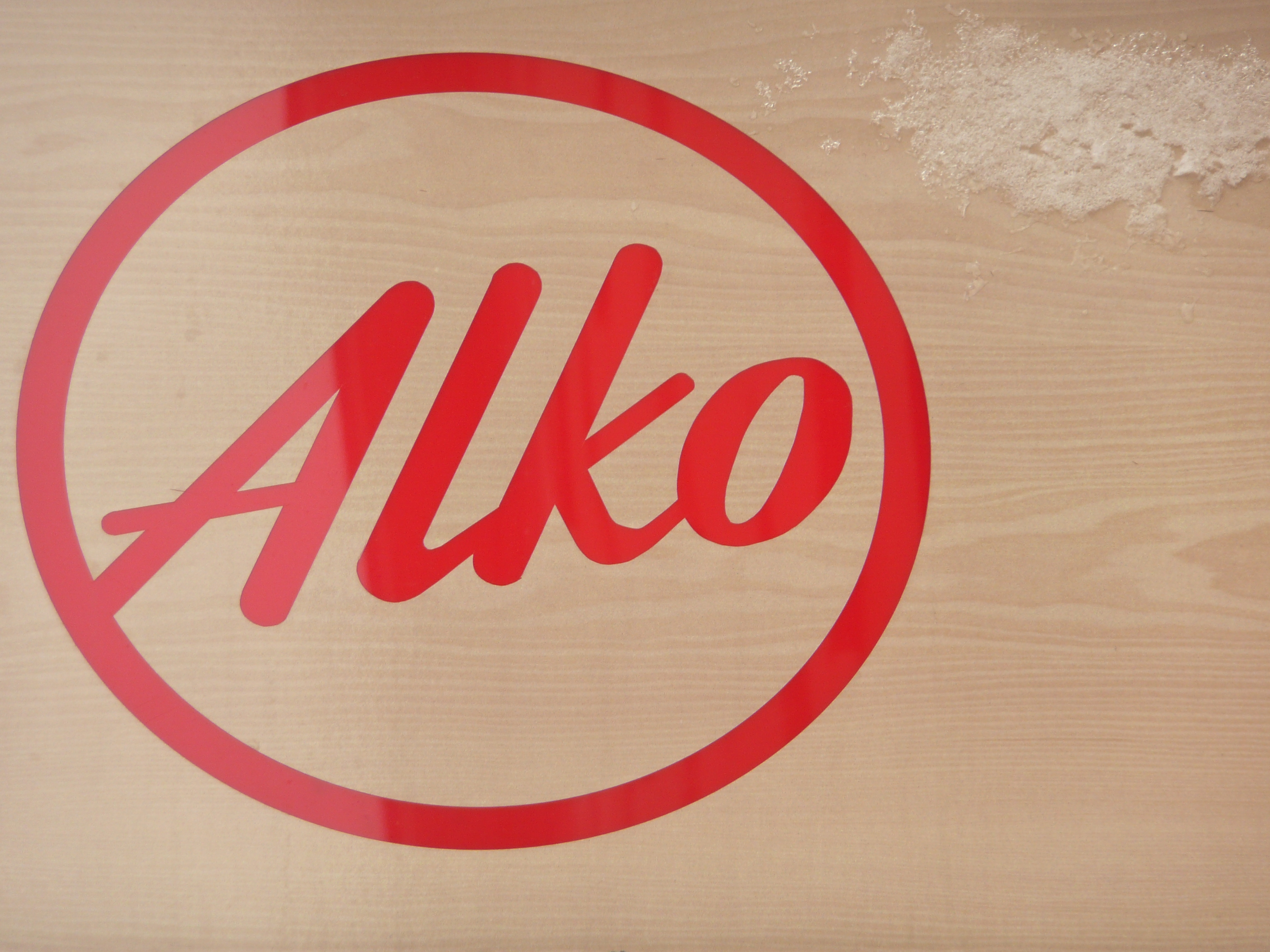
The biggest disappointment was that the bus fares there were exorbitant for such a short journey, and as we’re on a budget it felt like a big waste of money. Time was not the issue – we have plenty of that 🙂 To help us overcome our mixed feelings, we decided a bottle of wine and some cheeses back in our cosy apartment was the right course of action. That required us to make a visit to the state-run alcohol store, the exquisitely named Alko.

The idea that alcohol in Finland (and the rest of Scandinavia) is massively expensive is a bit of a myth. It’s true that drinking at a cafe, bar or club is pricey and not recommended for more than the occasional drink. However prices for take-home alcohol at Alko are broadly similar to what we would pay in Australia – or in some cases considerably cheaper. By law any drink with an alcohol content higher than 4.7% can only be obtained for consumption at home via the government-owned network, whose opening hours are strictly controlled. However drinks of 4.7% alc or less are widely available at supermarkets and convenience stores. This includes most beers, ciders and “long drinks” (what we know as pre-mixed drinks or alcopops), and their prices can be much cheaper than in Australia.

The Alko in Kamppi Square had an extensive selection of wines including a healthy range of quality NZ and Australian drops, but we let our wallet prevail and opted for a reasonable but cheap Chilean chardonnay. Perfect with the wedge of Castello Blue and French camembert which we bought at the local Aldi clone for next to nothing. What’s that about Porvoo? I’m already thinking of our next stop: Oslo!

Categories: Finland, Scandinavia, travel | 2 Comments

Blog at WordPress.com.

Design a site like this with WordPress.com
Get started